


The fascinating journey of casinos through history
Origins of Gambling
The roots of gambling can be traced back to ancient civilizations, where activities resembling modern-day gaming emerged in various forms. In ancient China, around 2300 BC, rudimentary games of chance were played using tiles, while the Romans and Greeks incorporated gaming into their cultural practices, often linking it to social events and public gatherings. These early iterations of gambling set the groundwork for what would eventually evolve into the casino concept. If you’re interested in learning more, you can read more about these fascinating origins.

As societies progressed, gambling became more organized and widespread. The invention of playing cards in the 9th century in China led to new ways of betting and games, which caught on in Europe during the Middle Ages. The proliferation of these games paved the way for more structured environments where people could gather to gamble, leading to the establishment of the first formal casinos in the 17th century.
The Rise of Casinos in Europe
By the 17th century, Europe saw a significant transformation in gambling culture, particularly in Italy with the opening of the Ridotto in Venice. This establishment is often recognized as the first official casino, designed to regulate gambling activities and provide a safe environment for players. The concept quickly spread throughout Europe, with luxurious establishments cropping up in cities like Paris and Monte Carlo, attracting aristocrats and the wealthy elite.
These casinos were lavish, offering not only games of chance but also fine dining and entertainment, reflecting the opulence of the age. The allure of high-stakes gambling became synonymous with social status, and the excitement of the casino experience became a staple in elite social life, further embedding gambling into the cultural fabric of European society.
Casinos in America
The journey of casinos took a pivotal turn in the United States, beginning in the 19th century. The Gold Rush led to the establishment of gambling houses, primarily in mining towns, where miners and prospectors sought fortune. The notion of the “Wild West” was closely intertwined with the rise of gambling, and these establishments laid the groundwork for modern casinos.
The significant legalization of gambling in Nevada in the 1930s marked a new era, culminating in the opening of the iconic Las Vegas Strip. With its neon lights and extravagant resorts, Las Vegas became synonymous with gambling, turning into a global destination for entertainment and gaming. This transition from illicit gambling to a regulated industry highlighted the evolving perception of casinos in American culture.
The Digital Revolution
As technology advanced, so did the gambling industry. The late 20th century witnessed the rise of the internet, revolutionizing how people engage with casinos. Online casinos emerged in the 1990s, allowing players to gamble from the comfort of their homes. This accessibility transformed the landscape, appealing to a broader audience and changing the traditional casino experience.
Online gambling platforms now offer a variety of games, bonuses, and promotions tailored to players’ preferences. This digital shift has not only made gambling more convenient but has also prompted discussions about responsible gambling practices, as players navigate the balance between enjoyment and potential risks associated with gambling.
Exploring the Modern Casino Landscape
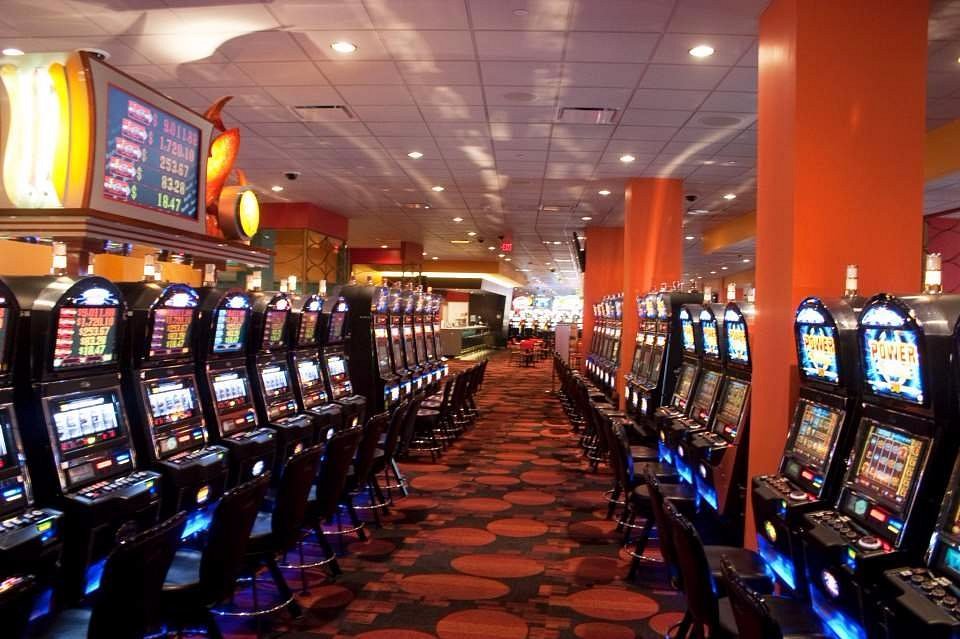
Today, casinos have diversified into multifaceted entertainment hubs, blending gaming, dining, and live entertainment. The industry’s focus on responsible gambling has increased, promoting awareness and providing resources for players to engage in safer gambling practices. Many casinos now feature programs that educate players on recognizing problem gambling behaviors and offer support services.
As online platforms continue to grow, new regulations are being implemented to ensure player safety and security. The modern casino landscape is a blend of tradition and innovation, where the charm of historical gambling meets the dynamic nature of digital experiences. This evolution offers a glimpse into the future of gambling and the ongoing transformation of casinos worldwide.